What Are RECs and How Can Singapore Homeowners and Businesses Use Them?
What Renewable Energy Certificates (RECs) are, how Singapore homeowners earn them from solar, and how businesses buy verified I-RECs for RE100 and CDP reporting.

What is a REC?
A Renewable Energy Certificate is a tradeable proof that one megawatt-hour (1,000 kWh) of electricity was generated from a renewable source such as solar. In Singapore the common standard is the I-REC (International REC). The certificate is separate from the electricity itself, so it can be sold on its own. That is what makes it a second, independent income stream for solar owners.
Two income streams, not one
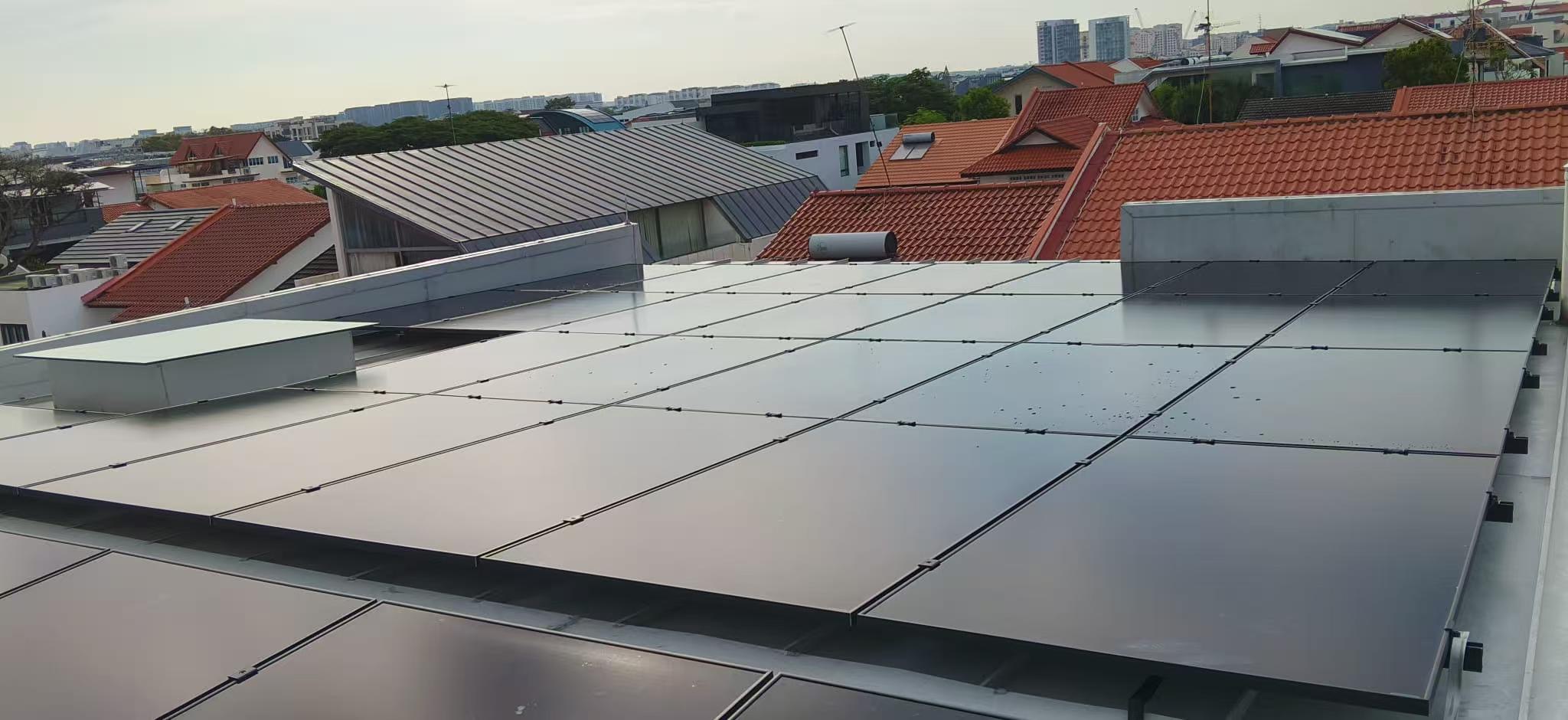
Solar on a Singapore landed home can earn money two separate ways at the same time:
- SP Group export credits. Surplus electricity you do not use is exported to the grid and credited on your bill at around S$0.20 per kWh in 2026, under the Simplified Credit Treatment (SCT) scheme.
- RECs. Separately, every MWh you generate, whether you use it or export it, earns one tradeable I-REC.
The two do not cancel each other out. You keep the bill savings and the export credits, and the RECs are extra.
How much can a homeowner earn from RECs?
A typical 15 kWp landed-home system generates around 16,500 kWh a year, which is about 16 to 17 I-RECs. Certificate prices vary with market demand and have recently sat at a few dollars each, so REC income is modest, usually a few tens to low hundreds of dollars a year depending on system size. It is a useful top-up rather than a main reason to go solar. The bigger returns still come from the bill savings and export credits that give most landed homes a 3 to 6 year payback.
Why managing RECs yourself is hard
Earning RECs sounds simple, but doing it alone is not. You have to register your system with the I-REC Standard, meter and track generation, and submit data for certification on a regular cycle. Each step carries fees and paperwork, and the market price moves, so for a single home the admin and cost often outweigh the income.
How Rezeca handles RECs for its customers
Rezeca offers REC management as an add-on service for our installation customers. We are an aggregator, not a REC trader. You sign a simple authorisation, and we register your system with the I-REC Standard, track its generation, and pool your certificates with other Rezeca homes so a licensed REC trading partner can sell them on the market. We can only pay you once our trading partner has paid us, so settlement happens once a year, and we deposit your share directly into your account by PayNow. There is no obligation and no lock-in: if you ever prefer a different party to manage your RECs, you are free to switch. It is a hands-off way to capture a little extra value from energy your roof is already producing.
For businesses: buying RECs in Singapore
Companies buy RECs to show they are sourcing renewable energy for sustainability reporting under frameworks such as RE100, GRI, TCFD and CDP. In Singapore, businesses buy I-RECs through registered platforms and licensed traders, with prices set by market demand. Rezeca does not trade RECs directly. We aggregate locally generated I-RECs from our installed base of more than 1,300 residential and 100 commercial systems and channel them to the market through a licensed trading partner. If your business specifically wants verified, Singapore-generated certificates, get in touch and we can point you to the right channel.
The bottom line
RECs turn the clean energy your roof already produces into a little extra income, and they give businesses a credible way to back up renewable-energy claims. For homeowners, the easiest approach is to let your installer aggregate and manage the certificates so you receive your share without any paperwork. For businesses, sourcing verified local I-RECs supports stronger, more defensible sustainability reporting.
Already a Rezeca customer, or want to learn more about RECs in Singapore? Talk to Rezeca.
Solar in a new light.
Considering solar for your Singapore home?
Rezeca offers a free on-site assessment, no-obligation quotes, and full 25-year ROI projections based on your actual property. Own your system outright or finance it through UOB U-Solar, backed by 17 years of experience and 1,300+ landed-home installations.
Estimate your savingsWhatsApp:+65 9839 9044 | Email:enquiry@rezeca.com