Does Haze Affect Solar Panels in Singapore? What the Data Shows
Haze can cut solar output 15-25% on the worst days in Singapore, but only about 2% over a year. What homeowners should expect, whether haze damages panels, and when to book a clean.
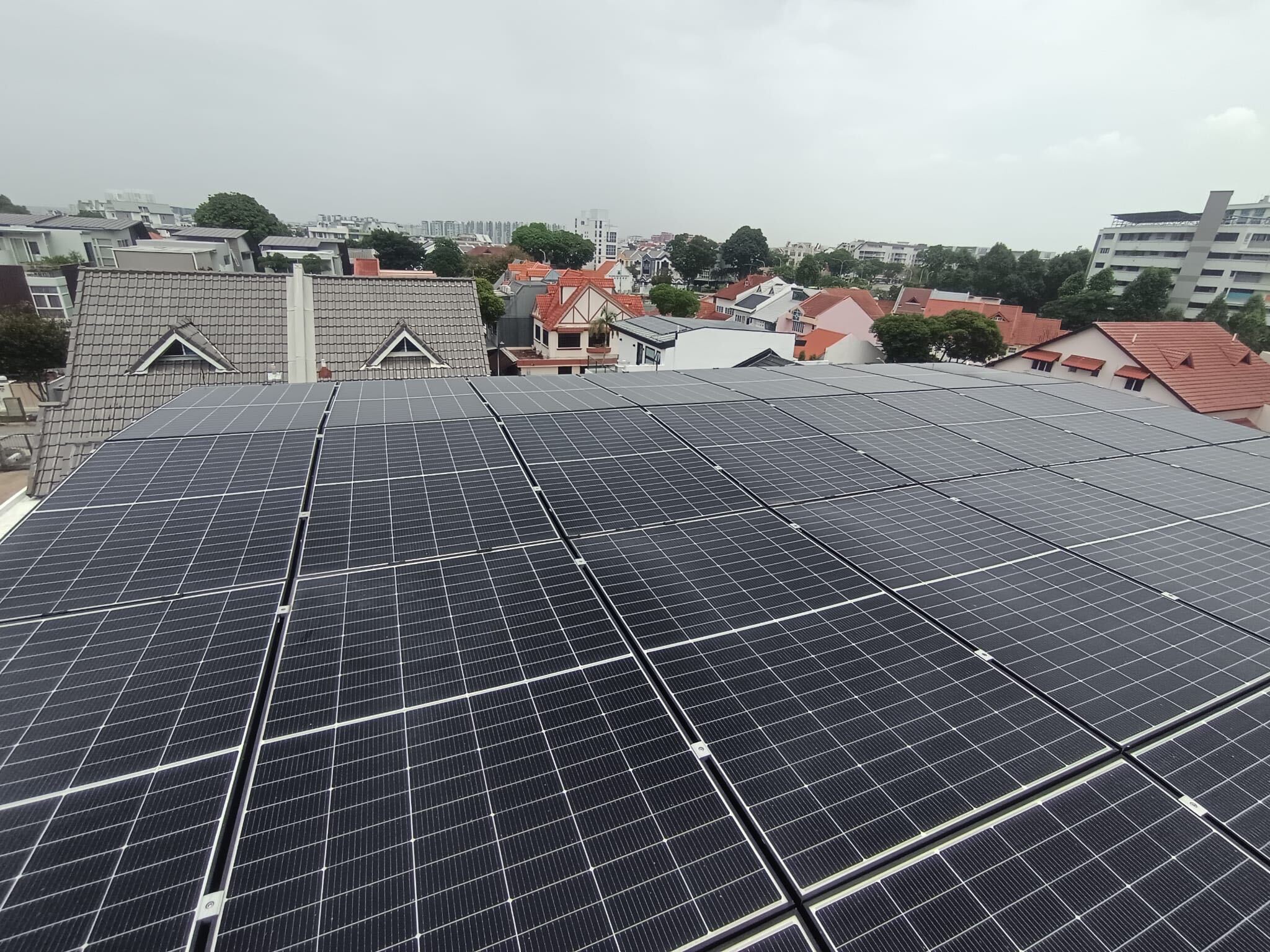
The quick answer: Yes, haze lowers solar output, but only for a short time. On the heaviest haze days in Singapore, rooftop systems produced 15-25% less electricity than on clear days. Averaged over a full year, haze and air pollution reduce output by only about 2%. Haze does not damage your panels, and generation recovers once the air clears.
When the haze rolls in, many homeowners open their monitoring app and see a dip in generation. That is normal. Here is what is happening, how much it matters, and when it is worth calling for a clean.
Why does haze lower solar output?
Haze is made of fine smoke particles, mostly from land and forest fires in the region. These particles scatter and absorb part of the sunlight before it reaches your roof. Your panels still work on hazy days, because they generate from diffuse light as well as direct sun. They simply receive less light, so they produce less electricity.
How much solar output do you actually lose to haze?
Two studies give a clear picture for Singapore.
| What was measured | Output reduction | Source |
|---|---|---|
| Heavy haze days, June 2013 (10 Singapore PV systems) | 15-25% | Nobre et al., Renewable Energy, 2016 (SERIS, NUS) |
| Haze and air pollution, averaged over a year | About 2% | Peters et al., Energy & Environmental Science, 2018 (MIT, NUS) |
The June 2013 event was one of the worst on record, with the PSI reaching 401. Most haze episodes are milder, so the daily dip is usually smaller. Because haze comes and goes, its effect over a year is small.
Does haze damage solar panels?
No. Haze reduces the light reaching the panels but does not harm the cells, glass or inverter. Some fine ash may settle on the glass during a long episode. In Singapore, regular rain usually washes most of it off.
Should you clean your solar panels after the haze?
Usually not straight away. Wait a week or two after the air clears, then compare your daily generation with similar sunny days before the haze. If output is still noticeably lower, a film of ash or dirt may have built up, and a professional clean is worth booking.
Please do not climb onto the roof or use a pressure washer or abrasive brush. Both carry safety risks and can damage the panel surface. Rezeca recommends a professional clean every 12 months, or every six months for homes near mature trees or construction. You can book a maintenance visit online, and Rezeca's solar maintenance guide explains what a visit covers.
Why is haze in the news in 2026?
The National Environment Agency convened its Haze Task Force in April 2026. The Ministry of Sustainability and the Environment said the haze risk this year is higher than in 2025 because of forecast El Niño conditions, with the dry season running from June to October. Air quality in the central region moved back into the unhealthy range in early October.
Does haze change whether solar is worth it?
No. A residential system in Singapore typically pays for itself in 3 to 6 years. An average loss of about 2% a year barely moves that figure. Heat has a bigger day-to-day effect on output, which Rezeca covers in solar performance in Singapore heat. A well-designed system is sized for Singapore's weather, haze seasons included.
Frequently asked questions
Do solar panels still work during haze?
Yes. Panels generate from diffuse light as well as direct sunlight. Output is lower on hazy days, typically by up to 15-25% during severe haze, and returns to normal when the air clears.
How much does haze reduce solar output in Singapore over a year?
About 2% on average, according to a 2018 study by MIT and the National University of Singapore. The effect is concentrated on a small number of hazy days.
Does haze damage solar panels?
No. Haze blocks some sunlight but does not harm the panels, wiring or inverter. Any ash that settles is usually washed off by rain.
Should I clean my solar panels after the haze?
Only if generation stays low a week or two after the air clears. Otherwise, a professional clean every 12 months is enough for most homes.
Output still low after the haze?
If your generation has not recovered a week or two after the skies clear, send Rezeca a screenshot of your monitoring app and the team will take a look. Rezeca also maintains systems installed by other providers.
Rezeca Renewables has installed solar for landed homes and businesses across Singapore since 2009, with over 1,500 installations and 45+ MWp to date, including 1,300+ residential landed homes, and holds a 4.9-star Google rating.
Considering solar for your Singapore home?
Rezeca offers a free on-site assessment, no-obligation quotes, and full 25-year ROI projections based on your actual property. Own your system outright or finance it through UOB U-Solar, backed by 17 years of experience and 1,300+ landed-home installations.
Estimate your savingsWhatsApp:+65 9839 9044 | Email:enquiry@rezeca.com

All your solar questions, answered
Everything Singapore landed homeowners need to know about solar panel installation, costs, approvals, and returns.
Get Your Custom
Solar Plan
Prefer to chat? Tap the WhatsApp icon below to reach our team instantly.

Copyright © 2026 Rezeca Renewables.